multi location SEO
by: Seif
-
June 2, 2026
-
Comments (0)

Scaling visibility across dozens or hundreds of storefronts requires an enterprise-level approach to local search. Developing a high-performing Google Business Profile posting strategy is no longer optional for brands trying to dominate the map pack. When managed correctly, publishing strategic GBP posts directly moves the needle on consumer action. However, multi-location enterprise networks face unique challenges: balancing brand consistency with hyper-local relevance, avoiding automated spam triggers, and connecting social updates directly to local revenue.

For local marketers tasked with managing regional footprints, the path forward relies heavily on advanced multi-location SEO frameworks. Throwing generic, nationwide corporate graphics onto your profiles will not yield meaningful traction. To win the local search landscape, your strategy must align regional promotional schedules with tailored local updates that point directly to conversion-centric location pages.

At Stain Media, we specialize in helping scaling enterprises navigate complex local algorithmic structures. If you are ready to move past manual, single-profile workflows, you can explore how our team automates and refines complex marketing campaigns by visiting our services.
Why Google Business Profile Posts are Non Negotiable for Multi Location SEO
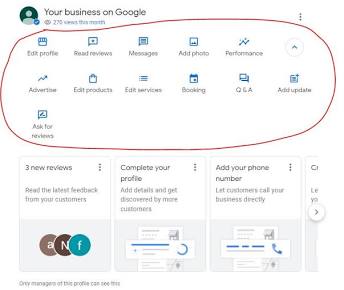
Google Business Profile posting strategy

Google relies heavily on localized behavioral triggers to rank listings in the highly competitive Local 3 Pack. When potential clients search for your services nearby, Google evaluates proximity, prominence, and relevance.

Driving Real Time Relevance Signals

Publishing consistent updates provides search algorithms with a steady stream of contextual keywords and real-time behavioral data. Each update serves as an indexable micro-signal showing that your specific physical location is open, active, and engaging with its community.

Maximizing Search Engine Results Page (SERP) Real Estate

When an active user clicks on your local map listing, your latest updates appear prominently within your business profile. This functions as free programmatic ad space directly at the bottom of the conversion funnel, driving real-time actions before the user ever clicks through to a competitor.


Anatomical Structure of a High Converting Multi Location GBP Post

Every update published across your corporate portfolio needs a repeatable, data-driven structure. Enterprise teams cannot afford to let individual branch managers draft unoptimized text. Below is the anatomy of an update optimized for maximum conversion.

1. The Visual Asset (Image or Video)

  • Dimensions: Use a 4:3 aspect ratio (minimum 1200×900 pixels).

  • Best Practice: Use real photography of that specific location’s staff, exterior, or inventory. Google’s Cloud Vision API scans image pixels for contextual objects. Avoid heavily modified stock vector graphics, as they fail to build trust and can trigger automated profile flags.

2. The Contextual Body Copy (100 300 Words)

  • The Lead: Place your primary offers and geographic anchors within the first 80 characters before the “More” truncation cut-off.

  • Keyword Integration: Weave in localized product terms naturally. If a location specializes in a particular service, state it clearly in the update text.

3. The Call to Action (CTA) Button

  • Tracking Framework: Every single CTA link (“Learn More”, “Order Online”, “Book”) must utilize customized UTM tracking parameters.

  • Example Structure: ?utm_source=google&utm_medium=organic&utm_campaign=gbp-post-[location-id]

  • Destination Strategy: Do not route every link to your global corporate homepage. Always drive traffic directly to the corresponding location page to reduce bounce rates and maintain a clean conversion path.

Scaled Architecture Centralized vs. Decentralized Models

Managing an enterprise portfolio requires deciding who owns the publishing calendar. In our experience auditing hundreds of live profiles, brands typically fall into one of three operational frameworks:

The Centralized Approach (Corporate Led)

The corporate marketing desk handles all publishing via enterprise dashboard API tools.

  • Pros: Strict brand control, zero legal compliance issues predictable scheduling.

  • Cons: Total loss of hyper-local nuance. A snowstorm promo might publish in Miami because the corporate office is located in Chicago.

The Decentralized Approach (Local Manager Led)

Individual branch managers or franchise owners have direct manager access to their specific dashboards.

  • Pros: Highly authentic, hyper local community updates.

  • Cons: Massive variance in quality, visual inconsistency, and high risk of profiles being suspended due to accidental policy violations.

The Hybrid Model (The Gold Standard)

Corporate schedules 70% of the calendar focusing on global brand promotions, core service features, and evergreen offers. The remaining 30% of the calendar is left open for local store operators to upload raw, authentic assets (e.g., local charity events, specific team callouts) via pre-approved corporate templates.


Tactical Scheduling Blueprint Post Frequency & Type Allocation

Over-posting can crowd your profile, while under-posting leaves it looking completely abandoned. The ideal enterprise cadence balances variety across Google’s accepted post categories:

“What’s New” Updates (Deploy 1x Per Week)

Use these for general brand building, showcasing service capabilities, and sharing local community initiatives. These should form the foundational baseline of your content engine.

Offer Posts (Deploy Based on Promotional Calendars)

These feature distinct start and end dates, a clear discount or incentive, and coupon codes. They are highly effective because they expand your profile’s visual space by adding an explicit promotional badge to the top of the listing.

Event Posts (Deploy 1-2x Per Month)

Perfect for grand openings, regional workshops, or specialized seasonal clinics. Like Offers, Event posts require precise date boundaries and help anchor your physical store location to specific timely actions.

local updates

Programmatic Execution Automating Scale Without Sacrificing Quality

When managing more than twenty storefronts, publishing individual GBP posts manually through the standard merchant dashboard becomes operationally impossible. To execute an effective Google Business Profile posting strategy across hundreds of geographic areas, enterprise brands must leverage programmatic scheduling platforms utilizing Google’s Business Profile API.

Choosing the Right Enterprise Tech Stack

Enterprise software tools allow corporate marketing teams to build a single campaign template and distribute it dynamically across targeted segments of their portfolio. Look for platforms that support:

  • Dynamic Tagging: The ability to automatically insert localized variables such as [City Name], [Phone Number], or [Local Manager Name] directly into the copy based on the specific location profile receiving the update.

  • Location Grouping: Segmenting your profiles by region, climate, or service offering. This prevents a sun-care promotion from being published to a rain-heavy region during seasonal changes.

  • Direct API Integration: Avoiding tools that scrape data or simulate user logins, which can lead to rapid, unexpected profile suspensions.

Aligning Local Updates with Optimized Location Pages

A brilliant update on Google is completely wasted if the user clicks through to a broken, confusing, or completely generic landing page. To fully capture the organic momentum driven by your multi-location SEO strategy, the destination URL must match the user’s localized intent perfectly.

The Continuity Framework

If your Google update highlights a specific service variant or seasonal promotion in Birmingham, the destination link must drop the user onto the Birmingham location page with that exact offer visible above the fold. Forcing a local user to navigate from a global homepage down to their regional branch introduces friction that degrades your conversion rates.

Technical Elements for Destination Pages

To maximize the value of traffic landing from your profile updates, ensure your destination URLs are deeply optimized. If you need to assess your current digital structure or build higher-converting geo-targeted hubs, review the architecture options outlined across our services. Every high-performing regional page should integrate:

  • Structured Data Schema: Clean LocalBusiness or Organization schema that programmatically validates the NAP (Name, Address, Phone) data present on the matching Google profile.

  • Localized Context: Authentic customer reviews from that specific neighborhood, localized maps, and direct contact details.

  • Conversion Optimization: Clear, sticky click-to-call buttons for mobile users and clean, short booking forms for desktop visitors.

Troubleshooting and Technical Safeguards at Scale

Operating at an enterprise scale means running into technical friction. Google’s automated safety systems are incredibly strict when processing high volumes of updates across interconnected profiles, making troubleshooting a core skill for regional marketers.

[Google Post Submission] 
       │
       ▼
[Automated Filter Checks] ──► (Trigger: Stock text, phone numbers in body, or duplicate URLs)
       │                                       │
       ▼ (Passes Filter)                       ▼ (Fails Filter)
[Post Approved & Live]                [REJECTED status / Potential Profile Flag]

Navigating the “Rejected” Post Status

If your posts are suddenly being blocked or marked as “Rejected,” it is usually driven by specific automated triggers within Google’s content policy filter:

  • Phone Numbers in Body Text: Google strictly forbids placing telephone numbers within the text body of updates because they want you to use the official CTA button feature. Including them will trigger an instant rejection.

  • Identical Content Across Profiles: If you push the exact same image and copy across 150 locations simultaneously without local variations, Google’s spam filters may classify the action as automated syndication and reject the posts. Always use dynamic variables to differentiate the text slightly per market.

  • Forbidden Keywords: Certain sectors (such as healthcare, medical spa treatments, legal representation, or financial services) are heavily monitored. Simple, common words can sometimes trigger algorithmic blocks if they hint at unregulated health claims or financial incentives.

Protecting Your Portfolio from Systemic Suspensions

The biggest risk of a centralized management dashboard is cross-contamination. If a single location profile is flagged for aggressive, spam-like updates, it can cast algorithmic suspicion over your entire manager account. Isolate risky, manager-managed locations into distinct user groups to protect the broader brand network from catastrophic chain-reaction suspensions.

Measurement, Analytics and Proving Real ROI

For enterprise marketing directors, the ultimate success of an investment in a Google Business Profile posting strategy depends entirely on the clarity of the return on investment (ROI) data presented to leadership.

Breaking Free from “Vanity Metrics”

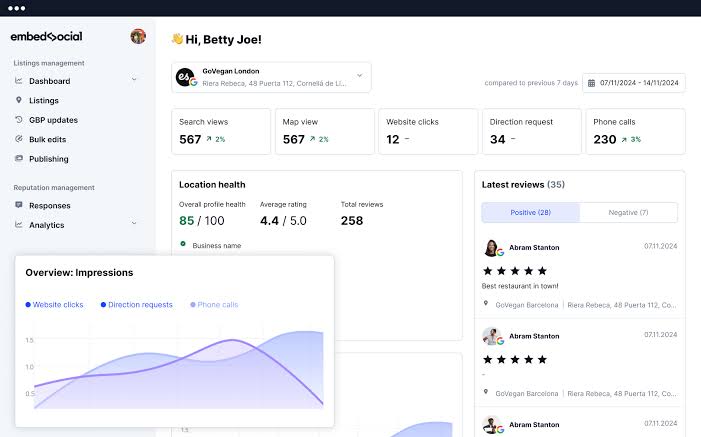
Google’s native profile performance dashboard highlights metrics like “Views” and “Impressions.” While these metrics look impressive on monthly slide decks, they do not accurately measure business growth. High views could simply mean your profile loaded on a screen while someone scrolled past; it does not guarantee genuine customer attention.

The Enterprise Tracking Ecosystem

To build an authentic, data-driven framework that proves your updates are driving real revenue, implement this layered tracking matrix:

  1. UTM Tag Isolation: As outlined in Part 1, append precise UTM parameter strings to every call-to-action button. This maps your exact profile traffic sources directly inside your primary analytics software (such as Google Analytics 4).

  2. Conversion Path Tracking: Create dedicated conversion goals in your analytics platform specifically for profile traffic. Monitor hard conversions like completed forms, appointment bookings, and digital downloads generated specifically by users who arrived from a profile update.

  3. CRM Closed-Loop Integration: Pass your unique UTM parameters through your website’s forms and into your core sales CRM. This allows your analytics team to trace a high-value pipeline close right back to a specific, hyper-local offer update published months prior.

Conclusion Dominating Local Search at Scale

Scaling an enterprise-grade Google Business Profile posting strategy requires finding the perfect balance between corporate operational discipline and authentic, local relevance. By moving away from generic nationwide assets and embracing localized updates, structured scheduling systems, and precision tracking, your multi-location brand can turn its geographic footprint into an unassailable digital moat.

Consistently sending fresh algorithmic signals to Google, avoiding automated spam traps, and mapping users directly to tailored destination pages ensures your locations consistently dominate the map pack and convert local intent into predictable revenue.

Your Enterprise Deployment Roadmap:

  • [ ] Audit Tech Access: Move away from manual single-profile logins and transition to a secure, API-driven enterprise marketing dashboard.

  • [ ] Enforce Brand Consistency: Build a shared asset folder featuring 4:3 high-resolution, unedited photography for individual branch operators.

  • [ ] Deploy Dynamic Variables: Ensure every automated campaign uses localized merge tags to prevent duplicate content blocks.

  • [ ] Implement Advanced Tracking: Attach precise, location-specific UTM parameter codes to every single Call-to-Action button link.

  • [ ] Optimize Landing Pages: Audit your location-specific pages to confirm they load fast and deliver on the promises made in your local profile posts.

If managing a complex, multi-location search presence is stretching your corporate resources thin, let our team of specialized enterprise marketers design and automate your local engine. Reach out directly to our execution specialists by visiting our contact page to schedule your architectural audit today.

Leave a Reply

Subscribe to Our Newsletter!

Get exclusive digital marketing insights and growth strategies delivered straight to your inbox – join our newsletter today

    We're a forward-thinking digital marketing agency delivering innovative solutions for businesses. Our expert team specialises in web design, SEO, and digital strategies that drive real results

    © 2024 Made With Love by StainMedia. All Rights Reserved.